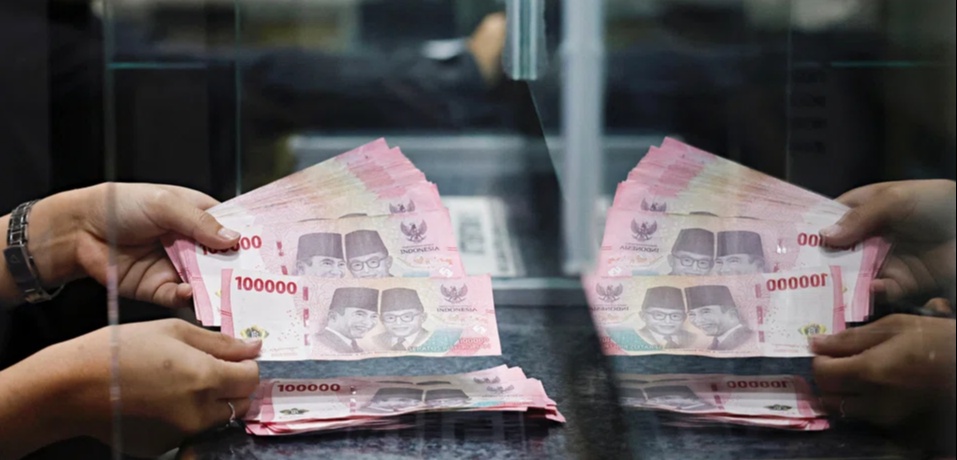
In 2025, Indonesia made substantial progress in combating cyber gaming, with total illicit financial flows falling by 20 per cent over the same period to 28.684 trillion guilders (approximately $19 billion). According to the latest data published by the Indonesian Financial Transactions Reporting and Analysis Centre (PPATK), this figure is significantly lower than the 35.981 trillion guilders in 2024.
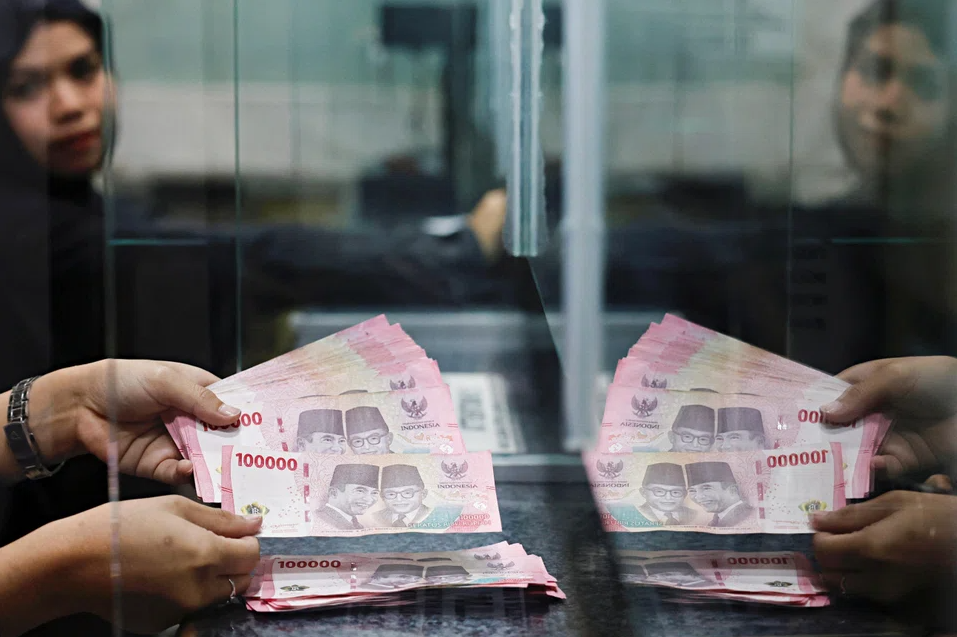
PPATK warns that, despite the fall in the total amount of funds, the overall level of activity remains high. In 2025, 422.1 million transactions were recorded, with a total deposit of 36.01 trillion guilders, down from 5.1.3 trillion guilders in 2024; the number of participants was also maintained at 12.3 million, mainly through bank accounts, electronic wallets and the Indonesian Standard 2-D Code (QRIS). PPATK attributed this decline to more accurate strategic deployments and efficient cross-sectoral collaboration, which effectively curbed funding for related activities. M. Natsir Kongah, Coordinator of the Centre ‘ s Bulletin Relations Group, stressed that strong public-private collaboration had significantly inhibited the size of deposits and the overall cycle of funds. From September 2023 to December 2025, the Indonesian Financial Services Authority (OJK) directed banking institutions to freeze more than 30,000 gambling accounts, totalling 31382 as of early January 2026. Banks now implement simultaneous closures of related accounts with the same national identity card number and strengthen due diligence mechanisms to prevent the re-infiltration of the lottery network.
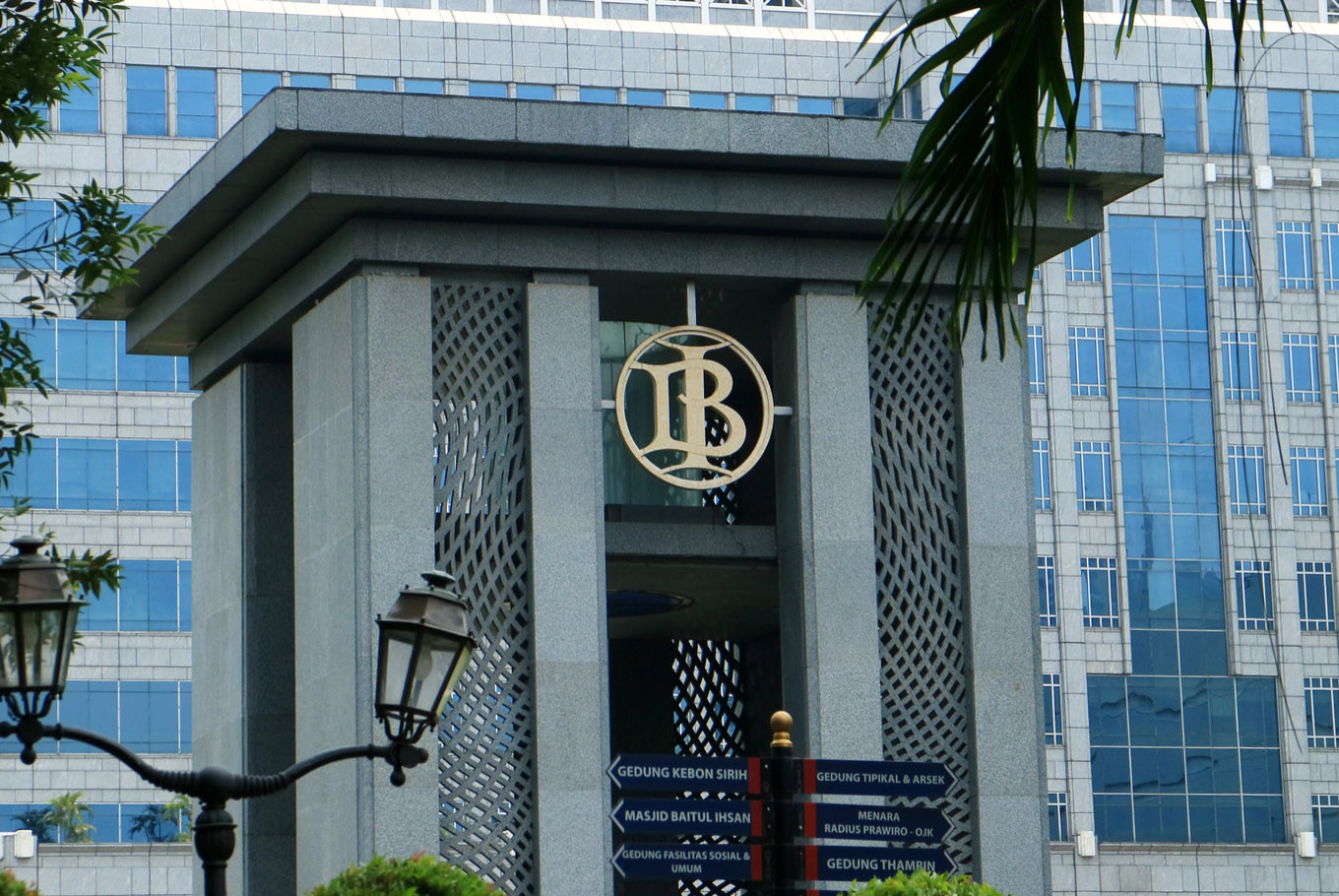
In addition, from late October 2023 to mid-September 2024, the network regulator accumulated nearly 2.8 million harmful web content, of which 2.1 million were identified as related to the lottery website. By the third quarter of 2024, the overall volume of transactions had dropped sharply by 57 per cent to 1.5 trillion guilders compared to the same period the previous year, indicating a steady strengthening of the trend. On 28 January, Ivan Yustiavandana, Chairman of PPATK, highlighted at the annual report meeting in Jakarta as an important milestone the 20 per cent reduction in turnover. He stressed that this was evidence of the beginnings of public-private cooperation mechanisms and provided a good basis for Indonesia to prepare for the FATF Mutual Evaluation Review scheduled for 2029 or 2030. At the same time, it was noted that, despite the continuing evolution of means of payment, tangible results had been achieved through sustained pressure on financial flows. It is worth noting that the use of QRIS has exceeded traditional banks and electronic wallets, making enforcement more difficult; at the same time, the shift of some funds to encrypted currencies to circumvent the embargo poses new challenges to the resilience of regulatory bodies.


Related Posts