The hand-drive industry is full of closed and de-serviced works, especially in the current market environment, where the kryptonite drawers have changed their hands like passengers, and the only thing that remains constant is that ultimately the players pay for the money invested and the time spent are “suspension” announcements. This raises an important question: Why is so many scrambling hands in a year or two when they are published? The answer is not simply “too poor quality” or “no one plays”. The reality may involve complex business considerations, the challenge of player retention rates and the unique economic model of a scrawling player that is both profitable and fragile.
Cruel survival: 70 per cent will not survive for more than three years
A recent study by Japan’s Scratch Hand-Scratching Research Specialist @BlackHand Maiden paints a grim picture: data show that over 70 per cent of the approximately 2,200 real-time service-type games it tracks are closed for less than three years.
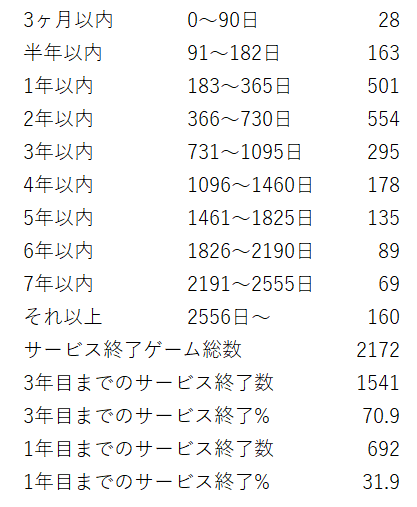
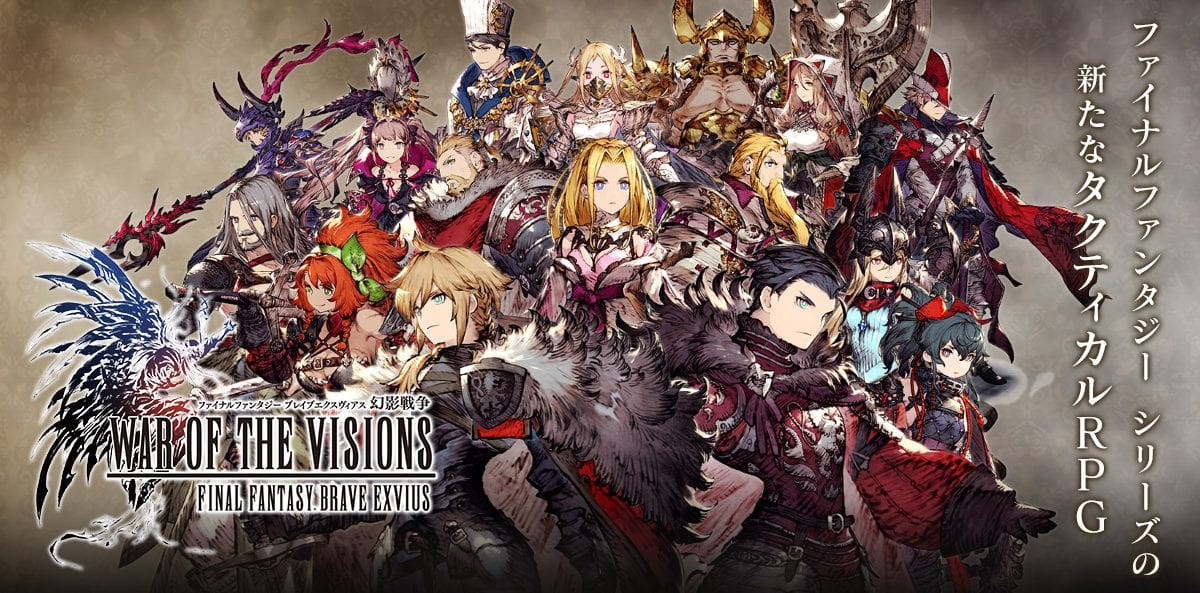
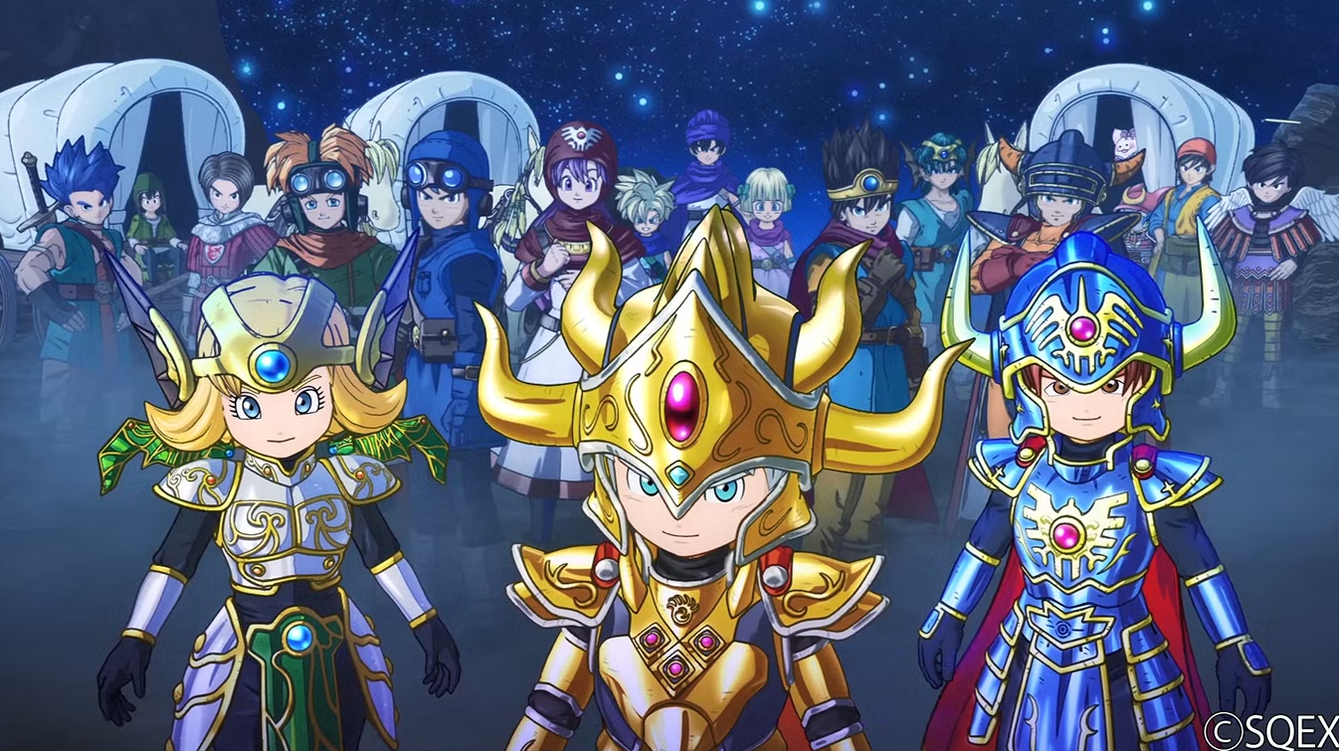
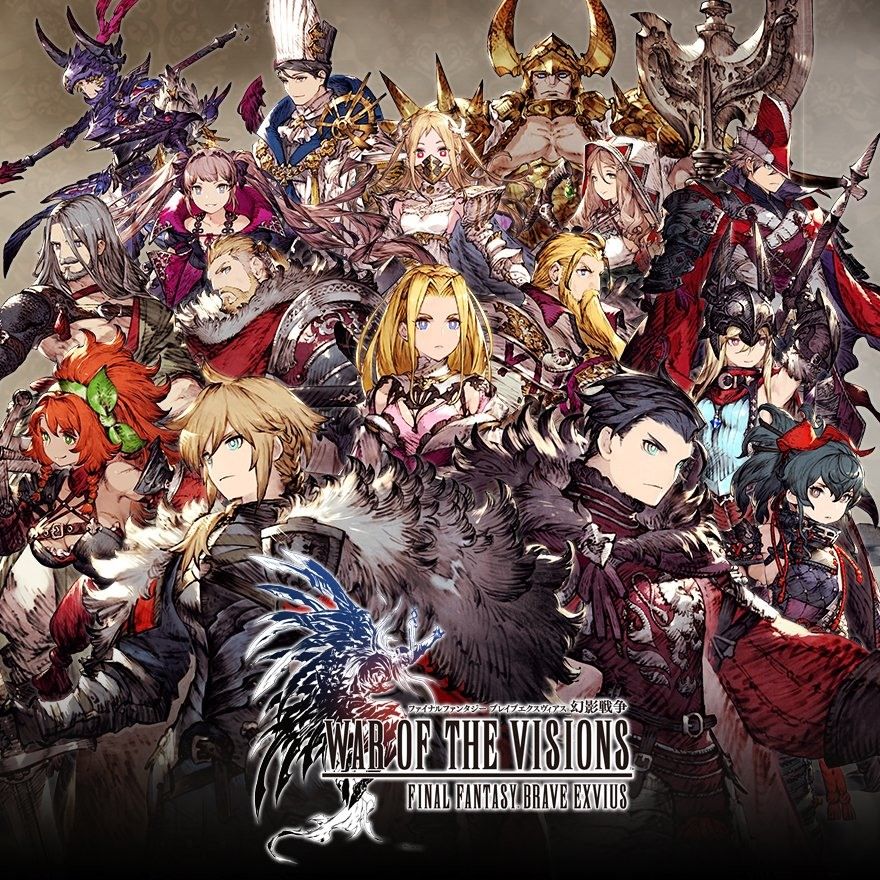
The statistics reveal the high risk of a ticking card business model. According to the database, 28 games were closed within the first three months of operation and 163 were closed within the following six months. The number has since increased rapidly: 501 games were terminated in the first year, 554 in the second year and 295 were closed in less than three years.Data show that the second year was the most dangerous time for scrawling.At this point, the freshness of the early release has faded, and the game has yet to establish a stable, long-acting base for survival. Caught in a graveyard: it’s hard to avoid a big factory.The scale of the “trucker graveyard” has grown with the addition of well-known works under the umbrella of major distributors. In the case of Square Enix, which has been manipulated by players as a “hand-swaking factory”, despite its role as a major player in the industry, there have been repeated encounters in this area: The Sword’s Reaction: Mana’s Reaction (2022-2023) came online in April 2022, closed in May 2023 for more than a year. Despite the SEE classic RPG Sword Legend series, its revenues remain insufficient to sustain operations. The global edition of The Last Fantasy: A Revelation of Courage (2016-2024) was suspended in October 2024, although it received approximately $896 million within its life cycle. However, income has declined significantly in recent years, with income of $21.9 million in 2023 and $9.9 million in the first eight months of 2024. Even with a total revenue of nearly $900 million, the downward trend has made it unsustainable. Final Fantasy: The Enlightenment of Courage and the Mirage War (2024-2025) came to a global halt on May 29, 2025, immediately after its predecessor. The RPG, which has been operating as a tactical RPG for five years, has lived a long life in the area of hand-picking, but it is still hard to get away with the crash.
In early 2025, two games, Lacelyana’s Gold Refinery Room (2023-2025) and Soul Tide (2022-2025), were declared suspended. The former was controversial because of the suspension of the service just after the first anniversary and before the end of chapter 21 of the main line. Tribe Nine: The Extreme Death Tour (2025), developed by Akatsuki Games, a well-known hand-drive developer, in collaboration with Ko Ko and Ko Ko, the producer of the Proteus, was well received by the player with a fluid real-time combat system and unique pixel art style, but closed before one year of operation. Love Live! The Academy Idol Festival Miracle Live! announced that it would be suspended on 31 May 2024, with only about three months of experience. Intermittent money-burning machines: high cost of continuing operationsUnlike traditional off-line games, hand-picking requires continuous support.Servers do not run on their own, so do real-time service games. A continuous operating cost is required for each card-trip trip: server maintenance, regular content updates, new role development, voice-writing, art, BUG repair and client support. The development team needs salaries and funding for marketing activities. These costs accumulate rapidly and never cease. A pick-up trucking exercise requires not only generating sufficient income to cover these operating costs, but also generating profits. When income is below expenditure, the game cannot be sustained. At this point, the issuer must choose whether to invest more in a recession or to stop losses in a timely manner. Another challenge is the long-run game: the technical debt. As stated by a Japanese smoker, after 10 years of operation, the technical debt accumulated by the game code will be too large to be repaid. It is considered by the industry to be one of the reasons why the Star Warrior Fighter was closed after 10 years of operation. Updates and new features are built on old codes, creating a system that is increasingly complex, difficult to maintain and costly, that is, what players often call the “Shit Mountain Code”. Ultimately, the effort required to keep the game smooth will exceed the income it generates.
Most of the smokers follow a predictable income model: a strong release period, attracts new players and early payers invest heavily. However, this initial boom is rarely sustainable and the number of players decreases naturally over time. Since then, there have been players who have moved to new games, either tired of playing, or frustrated by the probability of a numerical expansion or a card. The player base has been shrinking, and income has declined. Scratch card games rely heavily on a small group of high-consumption players, known as “ whales”. If these kryptonites retreat or reduce their consumption, the game-run harvest will drop sharply. There may still be thousands of active players in the game at this time, but their consumption is not sufficient to offset the cost of operation, and the game is running on a very limited basis.At the same time, one of the greatest challenges for scrawling is the continuing need for fresh content.Unlike buyout games that can be released and then redirected to other items (compensated or DLC), a continuous content output is required for a pick-up hand-show. Typical card-trucking may introduce new roles every few weeks and issue monthly updates of major stories. From new roles, story chapters, activities, game models and seasonal festivals, each requires a collaborative push by role designers, craftsmen, scriptwriters, testing teams, voicewriters and marketing departments. This new course of content will never stop, and once the development team slows down, the players will lose, and the competitors will take advantage of the market. Maintaining this rhythm and pressure has exhausted the development team and the budget is constantly being consumed. The Overcrowded Red Sea Market: The Crazy Insider’s Profit TrailScratching is one of the most competitive markets in the whole game industry.At any given time, dozens of hand-drawn-cards are on the line, while hundreds of existing works compete for player attention and wallets. The market is so big that players have limited time and money. In the case of the burning Gods of recent years and the Breathing: Star Dome, it is unlikely that when players become obsessed with one of them, they will pick up a new hand-picker, requiring a similar daily input, which is why hanger-walkers are able to establish themselves in a competitive, hand-walking market, although the latter is also close to saturation.This has created a “winner-for-win” situation: head games are close to monopolistic markets, and small pieces are hard to reach.
The “inner volume” is particularly intense in Japan and Asia, and markets are the most saturated as the origin of the scramble model. Competition in Western markets is relatively less crowded, but faces different challenges. Players in these areas are often less familiar with the draw-card mechanism and may be more resistant to this model of commercial realization and profitability. A cruel market environment means that even a good game can fail simply because the timing is not right or cannot be sufficiently distinguished from established competitors. Why is it that the game that looks active is closed?For reasons of platform policy and consumer protection rules, distributors usually issue stoppage announcements weeks or months in advance. Allows the player time to use the account balance and completes the storyline, while also reducing the legal risk that the player may be charged before the unexpected break. From a commercial point of view, the early issuance of bulletins also helps to manage refund requests and customer pressure. One of the most confusing situations for players is the suspension of seemingly active games. Even though the server is alive and active, the community seems to be active — why close it? The answer usually comes down to the profit threshold. Theoretically, even with 10 million players, the game is doomed to failure if only 1 per cent of the players pay for it and the average consumption is too low to cover operating costs. For the Distribution Chamber, for six months in a row, income declined without signs of recovery, and a choice was made between the closure and continued bleeding. Some distributors would also consider the opportunity cost, and teams operating a dying game could have developed new or supported more profitable existing games. Resources are limited, and companies can direct them towards projects with better returns.The irony of scrawling is that its low threshold contributes to vulnerability.As a result of free downloading, the scrawler can attract a large audience on the line. But free also often means low viscosity, and a player can try dozens of hand-picks at zero cost. When a game is not attractive enough, they turn to the next one. This has resulted in intense competition for the survival of only the most attractive, generous or popular games. The survival of games based on existing fan base (e.g. the productions of popular animation or game IP) is higher. They begin with a larger and inherently larger audience for potential payments and retention. The original IP draw card game faces even more steep challenges in building loyal communities. The arrival of the Gods in 2020 significantly raised the threshold of game and story depth for scrawling, forcing the developers of the same competition to improve the quality of production, thus pushing up the development costs and the income threshold needed to make a profit.
Markets, especially in Japan, show signs of saturation. Thousands of scavengers competed for attention and became increasingly difficult. Even a player-based game can struggle when the market is oversaturated. Moreover, because of differences in the preferences, consumption habits and levels of competition of players in different regions, a hot game in Asia has been cold in Western markets. In addition, localization and maintenance of independent servers would require additional costs, and if the region was underprofited, the issuer would likewise choose to close instead of subsidizing the income from the profit area. This is clearly demonstrated in the case of SE’s final fantasy: the revelation of courage. – The global version closed in October 2024, while Japan continued to operate until October 2025. A dilemma in a crisis where players trust their manufacturersA series of hand stoppages under the umbrella of SE also raises another challenge: the damaged player confidence crisis. When distributors repeatedly close the game in the short term, players become more hesitant when they invest time and money in their new work. This creates a vicious circle: the game is hard to reach and has to close early and further damage the reputation of the manufacturer.
For the player, the reality of a cut-off from a pumper needs to be taken into account before investing significant resources. According to the latest data, most of the smokers will not survive the second year. Even successful games that collect hundreds of millions of dollars over the life cycle may end up closing when revenues fall. The emotional value of the game, including community, friendship and memory, has its weight, regardless of how long the server lasts. The digitized nature of the card game means that everything disappears when the server closes. Understanding why the draw card game is closed does not alleviate the loss of the player in the face of her favorite work. But it does reveal the complex business realities behind these service-type games, as well as the reasons why stoppage announcements tend to be earlier than players expect. In a market where more than 70 per cent of the games fail before the third year of their existence, each of the cards you experience is essentially about whether or not it is a survivor.

Related Posts