
Roblox announced a partnership with the International Age Rating Alliance (IARC) to replace its existing content maturity label system. In the future, the elements of the experience within the platform will be marked using the global mainstream classification criteria, including ESRB in the United States, GRAC in Korea, USK in Germany and PEGI in Europe and the United Kingdom.
Patricia Vance, President of IARC and Managing Director of ESRB, said: “As more families become involved in Roblox, it is essential to provide global parents with familiar rating systems that are not geographically restricted and trustworthy. This process of globalization will provide an efficient and mature certification mechanism for Roblox creators, while helping parents to understand what they might be exposed to before their children play.”
Roblox also plans to extend age certification to all users by 2025. The platform announced investment in facial age assessment techniques in July this year. The Chief Security Officer of Roblox, Matt Kaufman, explained in his statement that: ” By combining facial age assessment, identity card certification and parental consent to confirm triple security, the system is able to determine age more accurately than simply relying on self-inputed information entered at the time of registration. As the plan moves forward, we will also introduce new systems that limit communication between adults and minors.”
Once the system is in place, Roblox is committed to introducing additional security tools to prevent children from playing with adults unknown in real life. The bulletin highlighted that, since January 2025, Roblox had launched more than 100 safety tools on the platform, including an open-source artificial intelligence system called “Sentry”, designed to detect early signs of endangering the safety of children.
The bulletin does not specify the timetable for these changes, nor does it respond to potential privacy concerns of the player. The statement stated: “We hope that this will set standards for other games, social media and communication platforms.” This change would bring Roblox into line with the requirements of the Cybersecurity Act, adopted by the United Kingdom in early August.
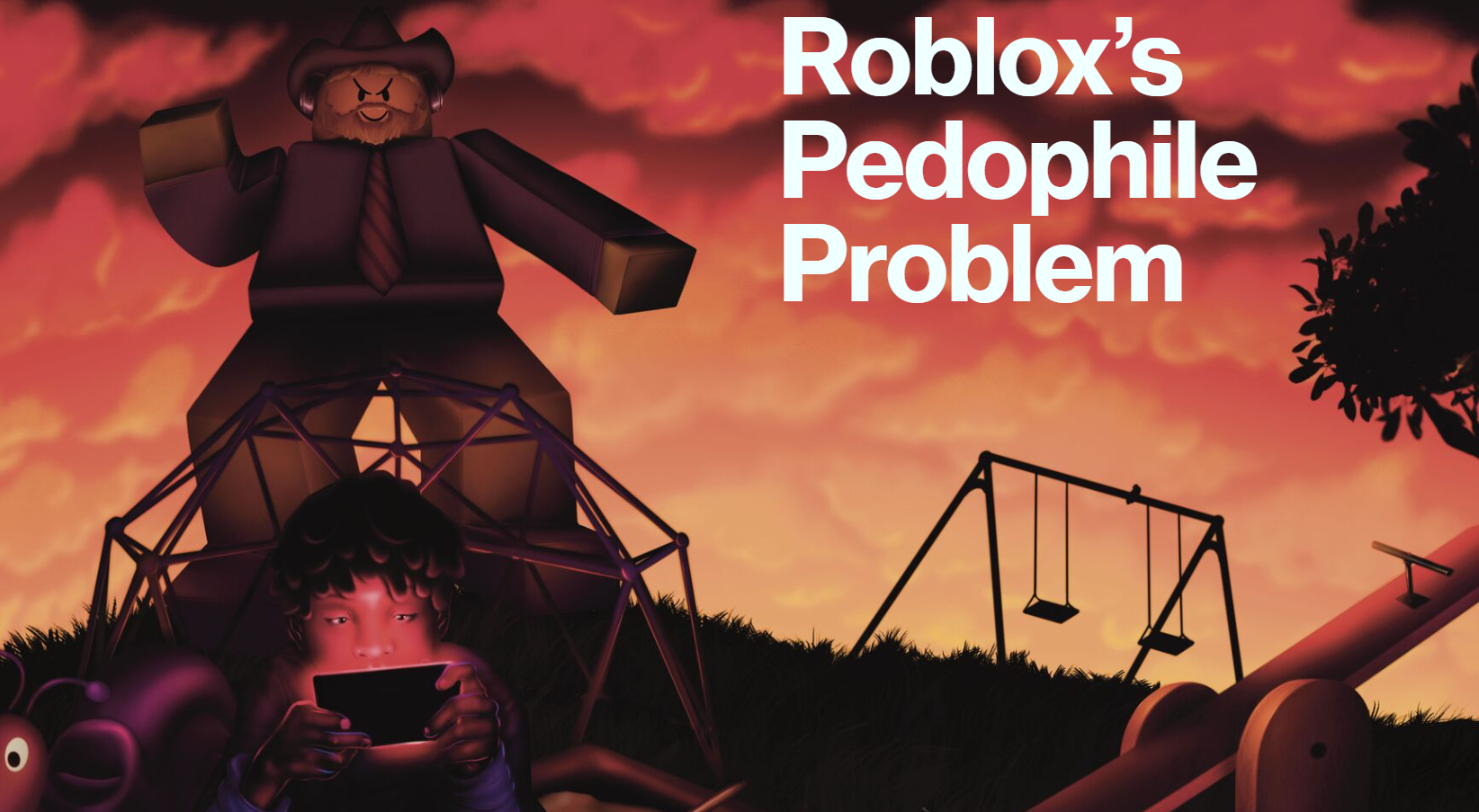
These changes stem from the recent legislative review that Roblox is facing. After Bloomberg exposed the paedophile problem on the platform in 2024, Congressman Ro Khanna launched a petition in August requesting Roblox to take additional measures to prevent child abuse.
In March this year, Chief Executive Officer and Co-founder David Baszuki responded to such allegations by saying: “My first recommendation is that, if you are disturbed, do not let the children use Roblox.” The statement was criticized by the parent community.
In April, the platform launched the “Sensitivity Issues” label on the content of the experience “mainly on sensitive social, political or religious issues”. All content with this label will be invisible to players under 13 years of age, and parents may choose whether to allow their children access to it.
Over the past year, Roblox has implemented several upgrades to its security system and parental control, including: allowing parents to view and manage their children ‘ s accounts remotely; placing graded labels for experiences; enhancing content clearance; and limiting access to social areas and free-form users.


Related Posts