
Mirage Wine & Spirits, a United States beverage retailer in Illinois, and his merchants have recently brought a class action against Apple, VISA and MasterCare for anticompetitive agreements aimed at excluding competitors and collecting large profits through overcharges on businesses. The plaintiff characterized the act as a “complicity action”, but the case was dismissed by the Federal Court of the Southern District of Illinois.
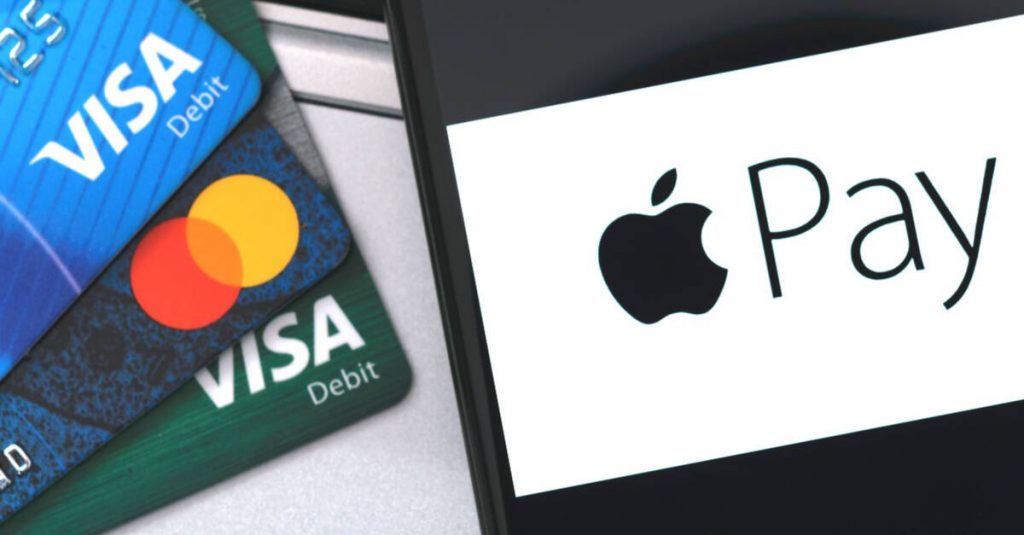
The plaintiff claimed that Apple accepted the huge “bribery” of VISA and everything in exchange for not establishing its own payment network. Since the introduction of Apple Pay in 2014, the service has relied on the payment network of VISA, Chase and American Express to process transactions.
According to Reuters, the plaintiff stated that the iPhone manufacturer had established a strong business relationship with the networks and had exchanged for continued payments by preventing competition. These “bribery” also ensure that apples do not develop their own payment systems and reduce their dependence on VISA and everything.

In addition, the plaintiff targeted the iPhone NFC hardware, accusing apples of strict control over their “light touch payment” transactions, which prevented third-party developers from providing alternative payment, thereby consolidating the market monopoly position of VISA and everything. Unfortunately, the court found that the plaintiff had failed to provide sufficient factual evidence to support its claim and that the evidence submitted was purely speculative.
The judge further noted that the very complexity of building payment networks from scratch was the reason why apples did not choose that route, rather than the generous compensation provided by their partners. The plaintiff also noted that apples were charged 0.15 per cent for each United States credit card transaction handled by Apple Pay in Wissa and MasterCard; and 0.5 cents for each debit card transaction, which was seen as a disincentive to innovation in the area of payment.
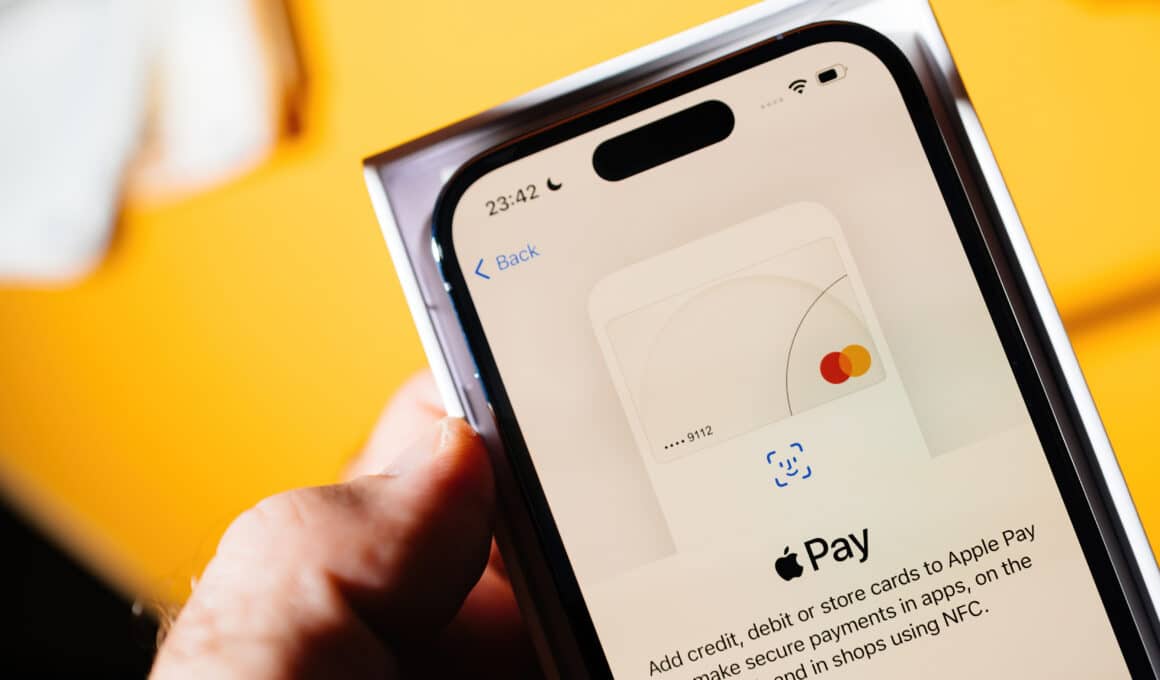
The Court had granted the plaintiff an additional 30 days to amend its pleadings and initiate a second class action. If the business fails to meet the required deadline, the case will be formally dismissed on grounds of bias.

Related Posts