According to Bloomberg, on 18 July, Meta Platforms has hired Apple’s artificial intelligence researchers, Mark Lee and Tom Gunter, to join its super-smart laboratory team. Mark Lee had recently left the apple and started working in Meta, while Tom Gunter was expected to join in the near future.
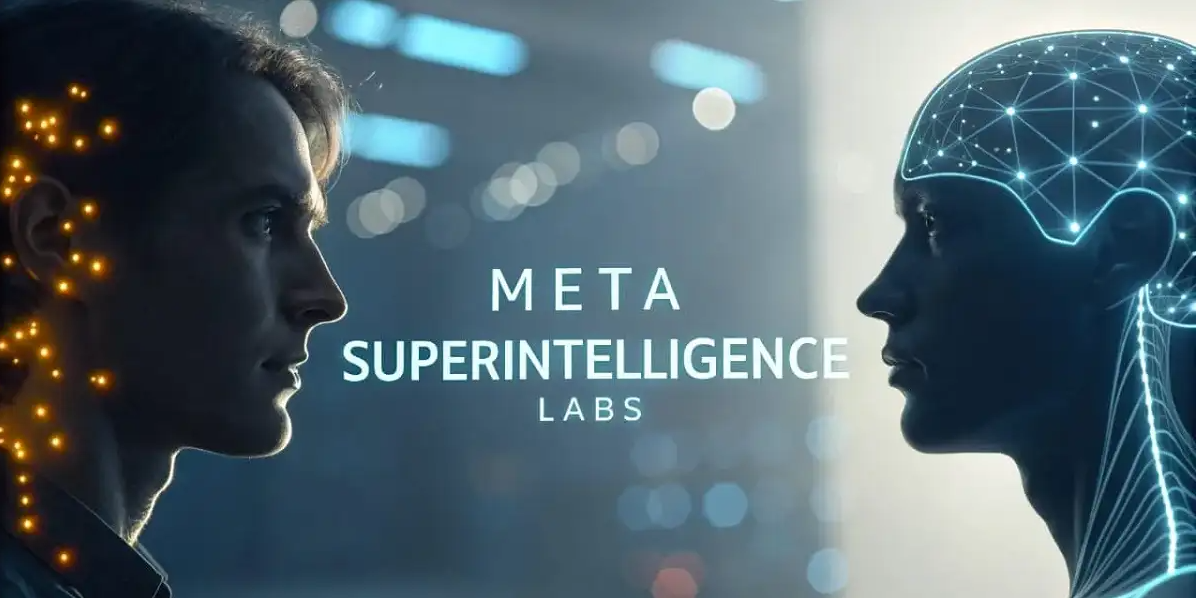
Before that, Meta also dug up Mark Lee and Tom Gunter ‘ s superiors, Ruming Pang, and provided them with multi-year remuneration programmes worth over $200 million. Mark Lee was one of the first recruits of Pon Roo-min, while Tom Gunter, an outstanding apple engineer, was considered one of the most senior members of the team. After leaving the apple, Gunter briefly joined another AI Starter company, but subsequently accepted Meta ‘ s offer. On 1 July 2025, Mark Zuckerberg, Chief Executive Officer of Meta, announced the establishment of the Meta Super Smart Laboratory, headed by Alexander Wang, former Chief Executive Officer of Scale AI, and Nat Friedman, former Chief Executive Officer of GitHub, responsible for the study of the products and applications of AI. MSL integrates the Llama Open Source Model, the Product Team and the Basic Artificial Intelligence Research Team of Meta with the aim of developing super-smart systems beyond human intelligence.
Meta is the top AI talent of its rivals, including OpenAI, Anthropic and Google, through high-paying poachers, including the co-authors of OpenAI’s O series of models, Trapit Bansal, and Shuchao Bi. The addition of Mark Lee and Tom Gunter has further enhanced Meta ‘ s research and development capacity in the field of generating AI and large language models. According to Zuckerberg, Meta plans to “invest hundreds of billions of dollars” in computing infrastructure to catch up with rivals such as OpenAI, Google and Anthropic. Meta is also placing top-level AI talent near Zuckerberg at its Menlo Park headquarters to enhance collaboration.
The addition of Mark Lee and Tom Gunter will enhance the research and development capacity of the Meta SuperIntelligence Laboratory in the area of large language models and generating AI. Meta plans to launch the next generation of models to support voice interaction and cross-project memory in 2026-2027, possibly challenging the ChatGPT of OpenAI.

Related Posts