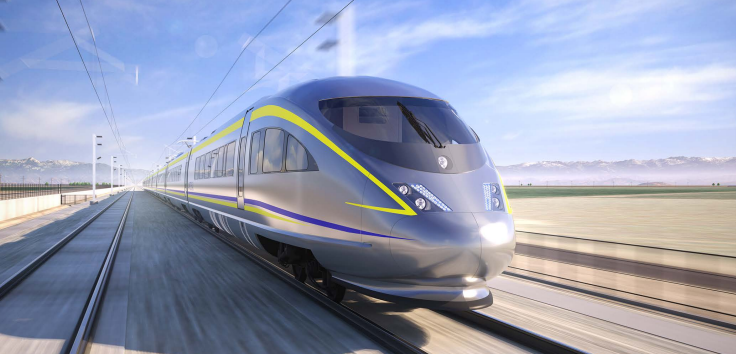
On 4 June, the U.S. Secretary of Transport Sean P. Duffy publicly criticized California’s high iron project for serious delays and mismanagement. According to Duffy, the project had cost $16 billion since its launch in 2008, but 17 years later no high-rail orbit had been laid.
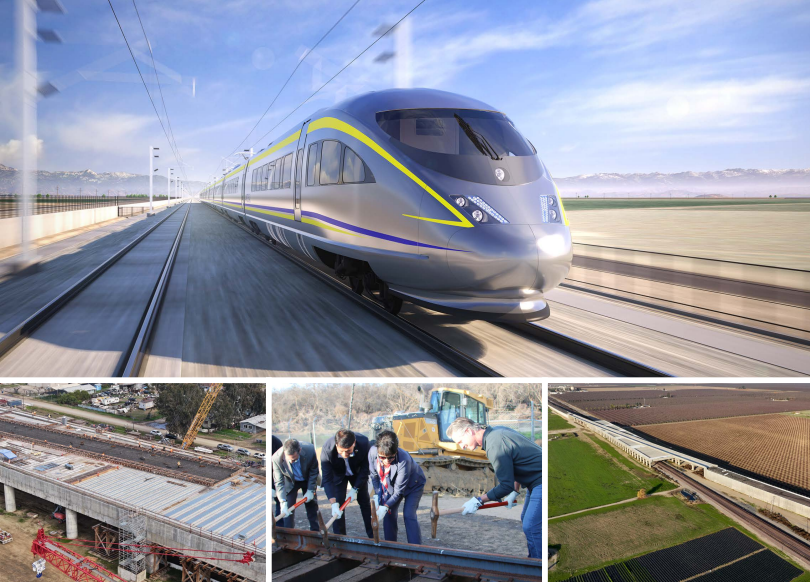
The United States Department of Transport (USDOT) issued a 310-page compliance review on the same day, detailing the nine main issues of the project, including missed critical deadlines, budget overruns, projected passenger overestimation and a $7 billion funding gap. The report calls for a response from the California High Iron Authority (CHSRA) by 11 July 2025, or approximately $4 billion in federal funding may be withdrawn.
The report of the United States Department of Transport, Federal Railways (FRA), states that the California high iron project failed to fulfil the terms of the federal funding agreement. The project was to be completed in 2020, but only 119 miles (192 km) of the central valley were under construction and not a single high-rail orbit was completed by 2025.
With an initial budget of $33 billion, the project has expanded to between $128 billion and $16 billion, almost fourfold. There is a funding gap of at least $7 billion between Messed to Bakersfield (early operating paragraph EOS). The project implemented a large number of change orders, resulting in additional costs incurred by the contractor as a result of delays.
The report criticized CHSRA for lack of a credible funding plan and for failing to complete train purchases on time. CHSRA ‘ s projections of the number of passengers on the San Francisco to Los Angeles route were questioned as exaggerated and might not achieve the expected economic benefits. The failure of CHSRA to meet the requirements of the federal funding agreement, including the target of starting EOS services by 2033, could lead to non-compliance.
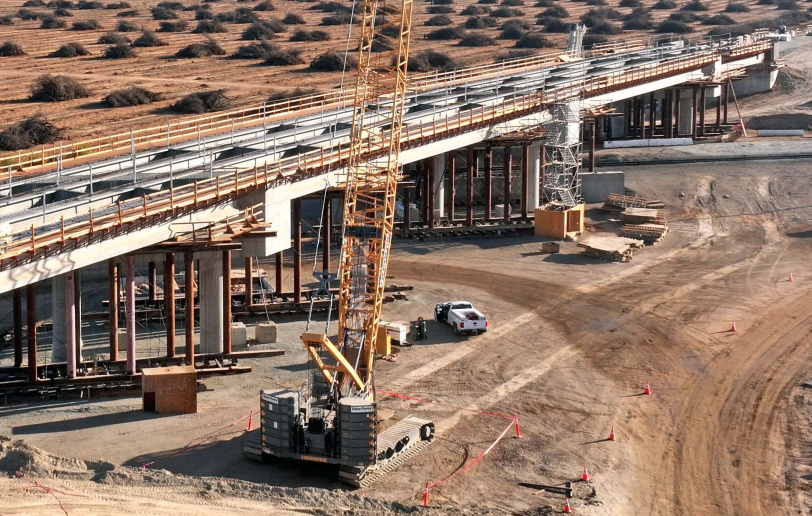
The California high iron project is currently receiving approximately $6.9 billion in federal funding, including $929 million in 2010 for cooperation agreements and $3.07 billion in 2024. FRA warned that if CHSRA failed to submit a convincing reorganization plan by 11 July, the federal Government might terminate both allocations, totalling approximately $4 billion. Duffy stressed that if funds were cancelled, they would be reallocated to other “more worth investing” infrastructure projects in the United States, such as the Brightline West High Iron Initiative.
Ian Choudri, Chief Executive Officer of the California High Iron Authority, welcomed the investigation, insisting that the project “each dollar can afford to be audited”. He noted that the project had completed 50 structures and created 146,000 jobs and 171 miles of road were under construction. CHSRA spokesperson Mikah Flores stated that the project remained committed to connecting major cities in California and that, despite the critical importance of federal support, the State Government had provided $11.7 billion in continued funding through the Carbon Emissions Trading Scheme.
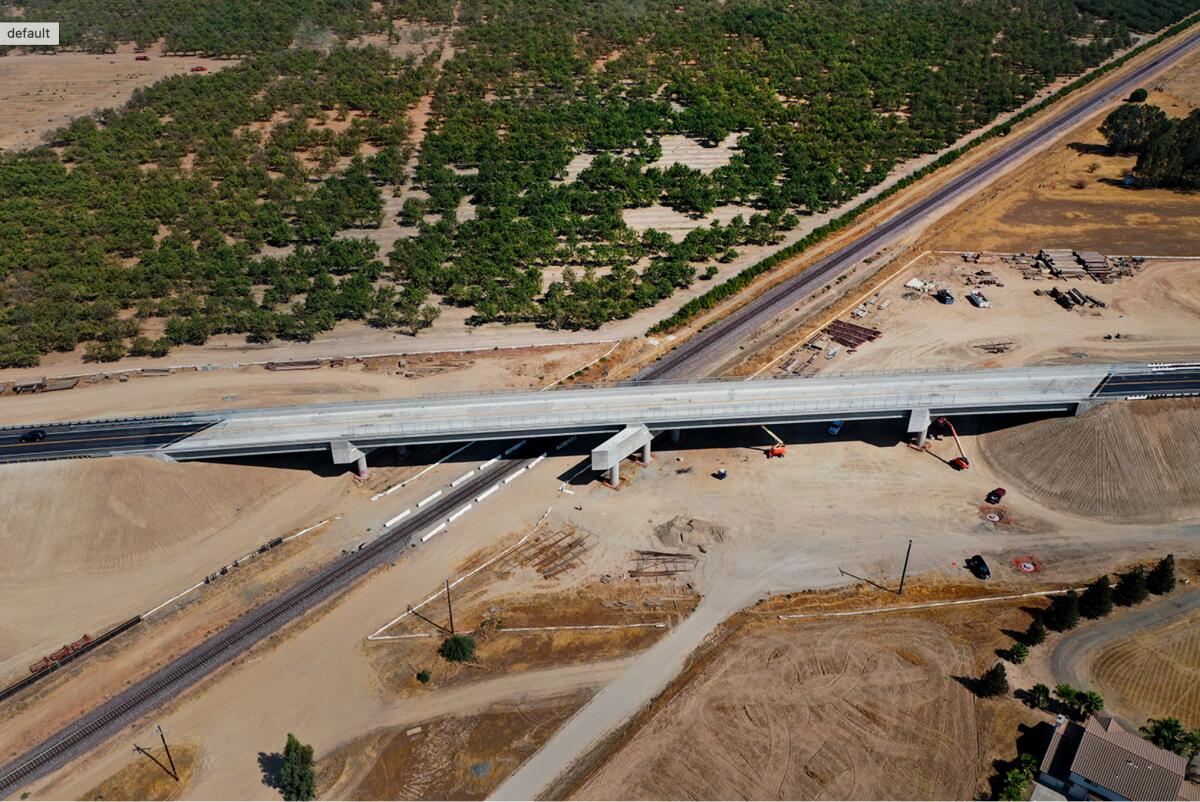
The California high iron project aims to build a 494-mile (795 km) high iron connecting San Francisco, Los Angeles and Anaheim with an initial budget of $40 billion. However, the project was criticized for cost overruns resulting from site disputes (e.g., the selection of a more direct route along the Central Valley instead of the Interstate Highway 5) and the contractor ‘ s ALT.
The Trump Government has long regarded the project as a “failure case” and initiated a compliance review in February 2025. Senator Tony Strickland supported the cancellation of funds and suggested that resources be redirected to projects such as the Los Angeles subway. However, railway experts, such as Jim Mathews, noted that abandoning high iron could lead to higher road congestion and security costs.

Related Posts