
The African game market is no longer a small area and is steadily establishing its position as a frontier for global growth. At the African Games Fair, the theme “African Game Markets: From the Front Line to Excellence” reflected this shift. The discussion centred around scale, innovation and long-term sustainability.
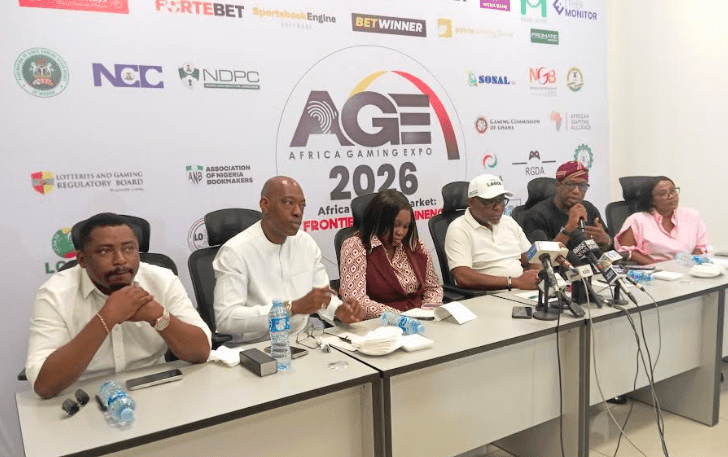
In recent years, the continent ‘ s game market has grown rapidly. In 2024, market revenues reached $1.8 billion, an increase of 12.4 per cent over the same period, six times the global average. The above data show that African markets have moved from an early stage of growth to a new phase of global impact.Mobile games remain at the heart of the African game industryNearly 90 per cent of total income. The spread of smartphones has contributed to the growth of mobile games, attracting millions of players. By 2024, the African mobile game industry had added 32 million players.Mobile games are easy to handle, affordable and compatible with local consumption habits, making them a popular choice for players.The mobile game epidemic is prompting game developers to build more suitable mobile-end experiences to achieve wider coverage and greater participation in the wider user community.

Today, Africa ‘ s game ecosystems extend beyond players and income per se to include financial technology, electronic competition and local content creation. The first African Games Fair, which brought together all stakeholders, including regulators and investors, on the same platform, also highlighted the growth of the African game industry. The African game industry, which currently stands at $2.29 billion, is expected to grow at a rate of over 12 per cent in the coming years.Despite good growth, structural obstacles remain.For example, affordable high-speed Internet access remains limited, which affects user experience. The payment system for digital markets in Africa is also too fragmented. Currently, less than 30 per cent of the population has access to banking services. These problems not only affect business and hinder further expansion to other markets, but also allow some global firms to keep an eye on further localization. Africa ‘ s advantage lies in its young and skilled talent pool. This demographic structure continues to drive the demand for digital entertainment. Countries such as Egypt, Nigeria and South Africa are leading in terms of income, and emerging markets such as Kenya are gaining momentum. As infrastructure improves, the potential of the African game market becomes clearer.
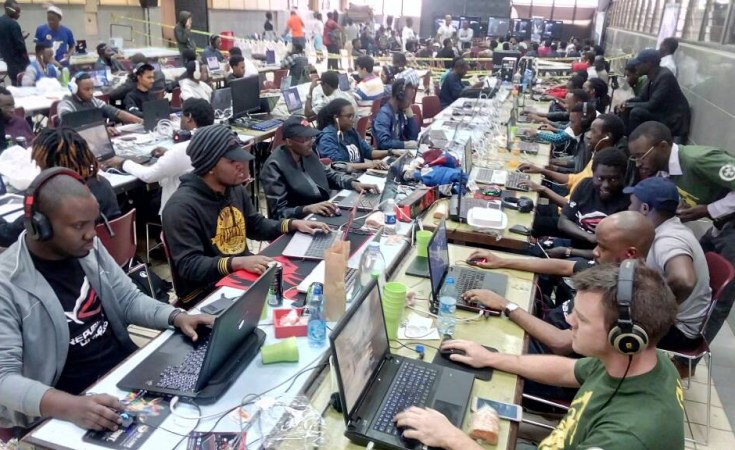
Cloud games, electronic games and localized content offer new ways to grow. The focus is shifting towards building sustainable ecosystems, which include better regulation, better payment systems and stronger development support. The African game market is no longer in its infancy and is at a critical juncture in establishing itself on the global stage. Innovation, driven by demand for digital experience, is key to establishing its place. As stakeholders work together around growth strategies, the prospects for playing markets in Africa remain strong. Africa is participating not only in the global game industry, but also in shaping an entirely new industry landscape and steadily redefining its place in the global game map.

Related Posts